This is general educational information, not legal advice. Century Support Services is a debt settlement company, not a law firm, and does not...

Payday Loan Debt Relief: Your Options When the Cycle Won’t Stop
read more
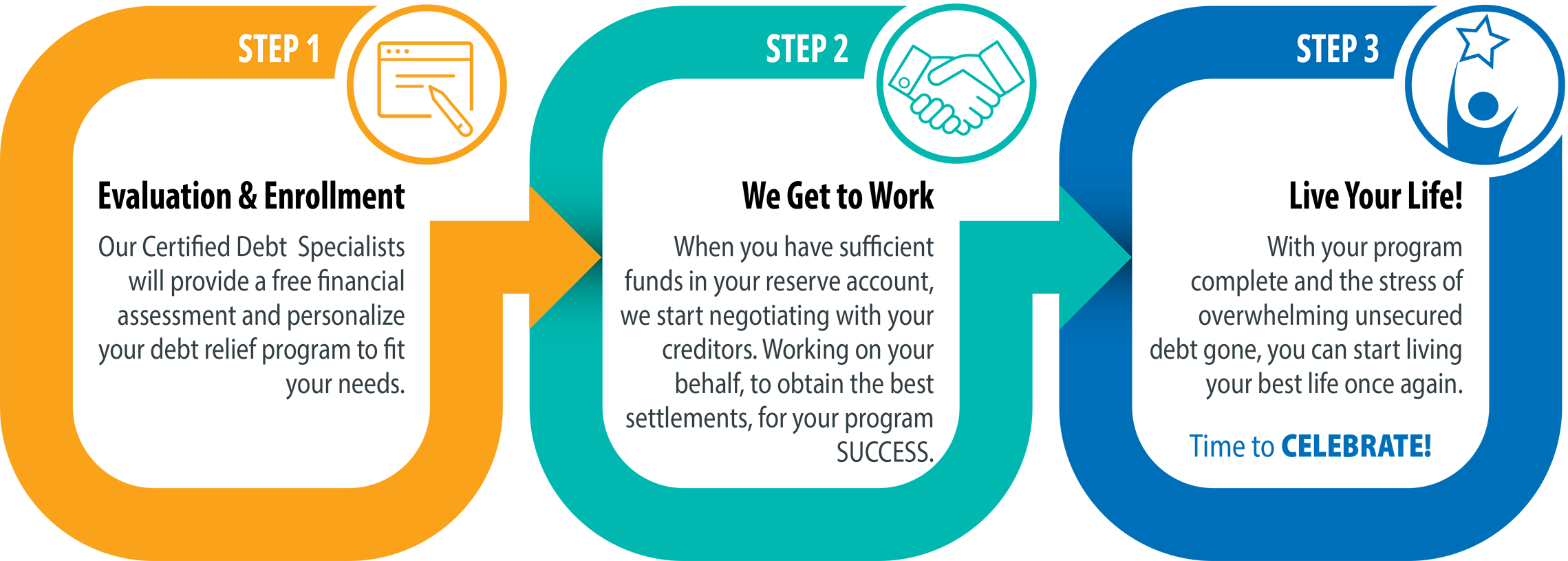
Century’s 3-Step program has worked for over 255,000 people and counting.
Learn how debt settlement works.

Managing your finances means more than paying bills on time. It requires a holistic view of your financial health. The team at Century Support Services can tell you that credit score monitoring is a valuable tool for anyone looking to navigate their way out of debt and build a stronger foundation for the future. When you're carrying significant debt, it's easy to put on blinders and focus only on the monthly payments. However, ignoring your credit report can lead to missed opportunities and hidden costs.
A credit score is a three-digit number that predicts how likely you are to pay back a loan on time. It's a powerful number regarding your financial health, and is calculated using data from your credit reports, which are maintained by major credit bureaus like Equifax, Experian, and TransUnion.
Lenders use this score as a quick snapshot of your reliability. When you apply for a mortgage, a car loan, or a new credit card, the lender looks at your score to decide two things: whether to approve you for the loan and what interest rate to charge you. But it doesn't stop at loans. Landlords use credit scores when approving rental applicants. Insurance companies use them to set premiums. Even potential employers in certain industries may review your credit history to gauge your responsibility.
Building a strong credit profile opens doors and saves you money. When you demonstrate reliability through a high score, you earn the reputation of a low-risk borrower, which comes with significant advantages:
Access to Lower Interest Rates - A high score can qualify you for the lowest available rates on mortgages and auto loans, potentially saving you tens of thousands of dollars over the life of a loan.
Better Approval Odds - Whether you need a credit card with travel rewards or a personal loan for home improvements, a high score increases the likelihood your application will be approved.
Higher Credit Limits - Banks are willing to trust you with more credit, which can actually help your score further by lowering your credit utilization ratio.
Easier Housing Rentals - In competitive rental markets, a high credit score can be the deciding factor that helps you secure an apartment over other applicants.
Lower Insurance Premiums - Many auto and home insurers use credit-based insurance scores to determine rates. A better score often translates to cheaper premiums.
The good news for anyone with a lower credit score is that you can raise it through smart financial habits. The advantages of settling debt make this goal more manageable. Carrying a heavy debt load and missing payments without a plan in place to settle what you owe often causes a cycle that’s difficult to get out of and means:
Higher interest rates
Loan denials
Difficulty renting
Higher insurance costs
Knowing where your credit score is can help prepare you for outcomes when applying for loans and credit. However, there are other reasons to monitor your credit report and score:
Catch Errors Early - Credit reporting errors are surprisingly common. Mistakes, such as a payment marked late when it was on time, or an account that doesn't belong to you, can drag down your score. Monitoring alerts you to these changes so you can dispute them immediately.
Spot Suspicious Activity - Identity theft is a growing threat. When someone steals your identity, one of the first things they might do is open a new account. Credit monitoring services are an early warning system, allowing you to freeze your credit and stop fraudsters before they cause further financial harm.
Track Your Progress - If you're working to reduce debt, watching your score climb provides powerful motivation. It's tangible proof that your hard work is paying off.
No one wants to lower their credit, so here are some things to avoid that can negatively impact your rating:
Missed or Late Payments - Your payment history is the biggest factor in your score. Even one payment missed by 30 days can cause a noticeable drop.
High Credit Utilization - This refers to the amount of credit you're using compared to your limits. Try to keep it under 30%. For example, if you have a credit card limit of $1,000, try to keep the balance under $300. Maxing out credit cards suggests you're overextended.
Hard Inquiries - Each time you apply for new credit, a hard inquiry is added to your credit report. Too many inquiries in a short period can signal financial distress to lenders.
Derogatory Marks - Bankruptcies, foreclosures, and accounts sent to collections are severe negative marks that can devastate a score for years.
Closing Old Accounts - The length of your credit history matters. Closing your oldest credit card can shorten your average account age. Even if you don't use it, it's better to keep it unless there are annual fees or other costs.
Whether your credit score has dropped due to canceled accounts or a debt settlement program, you can proactively improve your credit score over time:

Pay Every Bill on Time - Set up automatic payments or calendar reminders. Consistent payment history makes up the largest chunk of your score calculation.
Pay Down Revolving Balances - Focus on paying down credit card debt to lower your utilization rate. Your goal should be to get below 30%.
Don’t Close Unused Credit Cards - Unless a card has an exorbitant annual fee, keep it open to maintain a longer credit history and increase your total available credit.
Limit New Applications - Only apply for credit when you absolutely need it. This reduces the number of hard inquiries on your report.
Dispute Inaccuracies - Review your reports regularly. If you find an error, file a dispute with the credit bureau immediately.
You don't need to pay fees to monitor your credit. There are several ways to access your information without cost. Federal law entitles you to a free copy of your credit report from each of the three major bureaus once every 12 months through AnnualCreditReport.com. Reviewing these reports is the best way to catch errors. Many financial institutions offer free credit score tracking as a perk for customers. Check with your bank to see if this feature is available to you.
Credit score monitoring is an excellent way to track your financial health. If you're struggling with unsecured debt and high interest rates, contact a Certified Debt Specialist at Century Support Services. We offer free consultations to discuss your financial situation and explain if debt settlement is a viable option for you.
This is general educational information, not legal advice. Century Support Services is a debt settlement company, not a law firm, and does not...

This is general educational information, not legal or financial advice. Century Support Services is a debt settlement company, not a law firm, and...

This is general financial-planning education, not financial, legal, or tax advice. Century Support Services is a debt settlement company, not a law...